What to Write in a Sympathy Card: A Gentle Guide
A sympathy card is often the hardest card to write. There’s no rush, no deadline pressure like a birthday, just the blank space and the worry that whatever you write won’t be enough. It doesn’t need to be a speech. A few honest, simple lines mean more than anything polished.
Start With What’s True, Not What Sounds Right
The best sympathy messages are specific. “Thinking of you” is fine, but “Thinking of you and remembering how much she loved her garden” says more in one extra sentence. If you knew the person who passed, mention something real about them: a memory, a habit, a kindness. If you didn’t know them, focus on the person you’re comforting.
A useful way to think about it is this. You’re not trying to explain the loss or make sense of it. You’re trying to tell someone you’re standing beside them. That’s a much smaller, more achievable job than it feels like when you’re staring at a blank card.
Simple Templates That Work
If you’re stuck, these structures make it easier to find your own words:
- For a close friend or family member: “There are no right words, so I’ll just say I love you and I’m here, whatever you need, whenever you need it.”
- For a colleague or acquaintance: “I was so sorry to hear about [name]. Sending you strength and warmth during this difficult time.”
- When you didn’t know the person who passed: “I don’t have the words to make this easier, but I’m thinking of you and your family.”
- For a pet’s passing: “[Pet’s name] was so loved, and it shows in how much you’re grieving. I’m sorry for your loss.”
Matching the Message to the Relationship
The right tone changes quite a bit depending on how close you are, and getting this wrong is usually what makes people feel most stuck. A few common situations:
- Your boss or a senior colleague: Keep it respectful and a touch more formal. “Please accept my sincere condolences. I’m thinking of you and your family during this time” works well, without being cold.
- A friend’s parent you’ve met a few times: Reference the connection honestly. “I only met your mum a handful of times, but she always made me feel so welcome. I’m thinking of you.”
- An ex-partner or someone you’ve lost touch with: Keep it simple and warm without overexplaining the history. “I heard about your loss and wanted you to know I’m thinking of you.”
- A child who has lost a grandparent or pet: Simple, honest and age-appropriate. “I’m so sorry about [name]. It’s okay to feel sad. We’re thinking of you.”
Writing on a Flower Card vs a Full Sympathy Card
If your message is going on the small card attached to a flower delivery, you’ve got a lot less room, usually just a line or two. That’s fine. A short, sincere line works better than trying to cram a full letter onto a tag. Save the longer message for a proper card sent separately, or a call.
Good short options for a flower card:
- “With deepest sympathy, thinking of you.”
- “So sorry for your loss. Sending love.”
- “Thinking of you and your family today.”
- “[Name] will be missed by so many. With love.”
What to Avoid
A few phrases tend to land badly, even with good intentions:
- “Everything happens for a reason”: can feel dismissive to someone in the middle of raw grief.
- “They’re in a better place”: only appropriate if you know the recipient shares that belief.
- “I know how you feel”: even with the best intentions, grief is personal, and this can come across as making it about you.
- “Let me know if you need anything”: kind, but often goes unused. People rarely reach out. A specific offer works better.
- Jokes or lighthearted asides, even ones meant to ease the mood, are best saved for later conversations, not the card.
Instead of a vague offer, try something specific and easy to accept. “I’ll drop dinner round on Thursday” or “I’m free to help with anything on Saturday” tends to actually get taken up, where “let me know” usually doesn’t.
A Quick Checklist Before You Send
- Have you mentioned something specific, rather than only a general phrase?
- Does the tone match how close you actually are to the recipient?
- Have you avoided phrases that assume a particular belief about death or grief?
- If you’re offering help, is it a specific, concrete offer rather than “let me know”?
- Have you signed it in a way that matches the relationship, formal or warm?
Pairing Your Card With Flowers
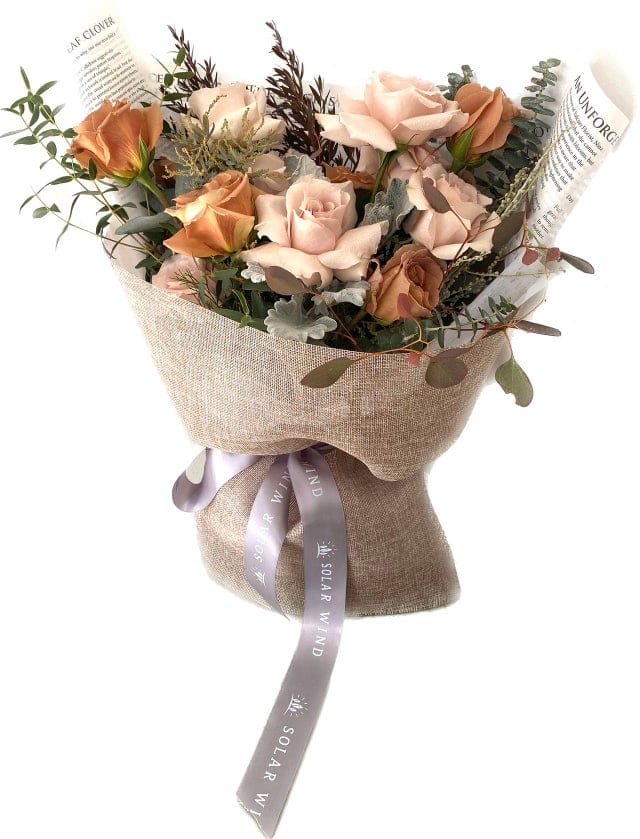
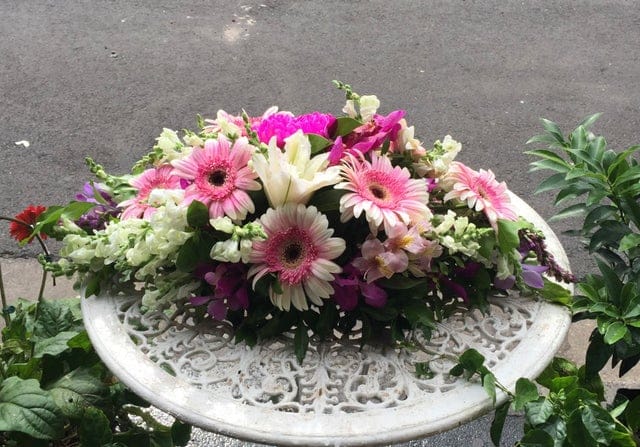
A card feels different attached to something. If you’re sending flowers alongside your message, whether to a home, a funeral service, or straight to the family, our sympathy and funeral flowers are hand-arranged and delivered fresh across Sydney. If you’re choosing between a wreath, a spray, or something smaller for the family’s home, our funeral flowers guide walks through the difference. If the flowers are heading to a hospital rather than a home, our guide on what’s actually appropriate to send to a hospital covers ward restrictions and better alternatives.
We regularly deliver sympathy flowers to homes and funeral homes across the Lower North Shore, including North Sydney, close to the Mater Hospital, and St Leonards, near Royal North Shore Hospital. If you’d rather speak to someone directly about a same-day sympathy order, you can also get in touch with us here.
Frequently Asked Questions
Is it okay to send flowers instead of attending a funeral in person?
Yes. If you can’t attend, flowers with a heartfelt note are a genuine and appreciated way to show you’re thinking of the family.
Should I sign a sympathy card with “love” or something more formal?
Match it to your real relationship. “With love” suits close friends and family. “With deepest sympathy” or “Thinking of you” suits colleagues or more distant connections.
Is it too late to send a card weeks after the funeral?
No. Grief doesn’t end when the service does, and a message that arrives a few weeks later, when the initial flood of support has quietened, can mean just as much, sometimes more.
What if I never met the person who passed away?
That’s fine. Shift your focus to the person you’re comforting rather than trying to speak about someone you didn’t know. A simple “I’m thinking of you” is enough.
Should I mention the cause of death in my message?
Generally no, unless the family has spoken openly about it. Keep your message focused on the person you’re comforting rather than the circumstances.
Browse our sympathy flowers, our get well flowers, or see our full delivery areas across Sydney.